Lee Jae Architects

Chungju Museum Of Art International Invited Design…

    Chungju Museum Of Art International Invited Design Competition


    A Place of Contemplation and Coexistence


    1. Design Philosophy: The Non-Protagonist

    The core philosophy of the new Chungju Museum of Art is defined by humility. In an era of architectural monuments that shout for attention, this proposal seeks silence.

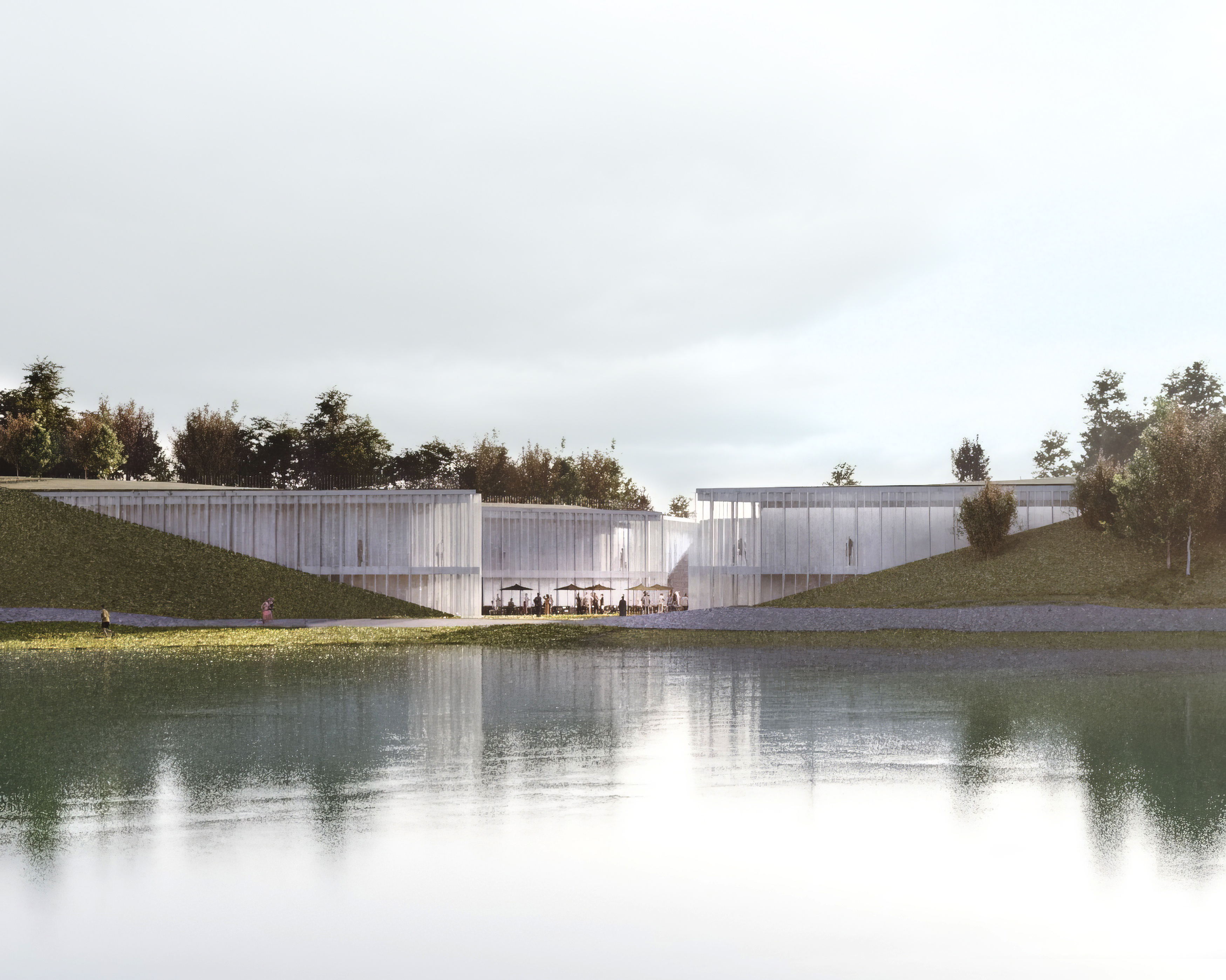
    The building is conceived not as an intrusive object or a protagonist element, but as a framing device for the existing beauty of Chungju. It prioritizes the contemplation of its surroundings, serving as a lens through which the lake and the landscape are viewed anew. The architecture merges with existing values, creating a symbiotic relationship where the built environment and the natural environment coexist seamlessly.

    2. Site Strategy: Intentional Topography

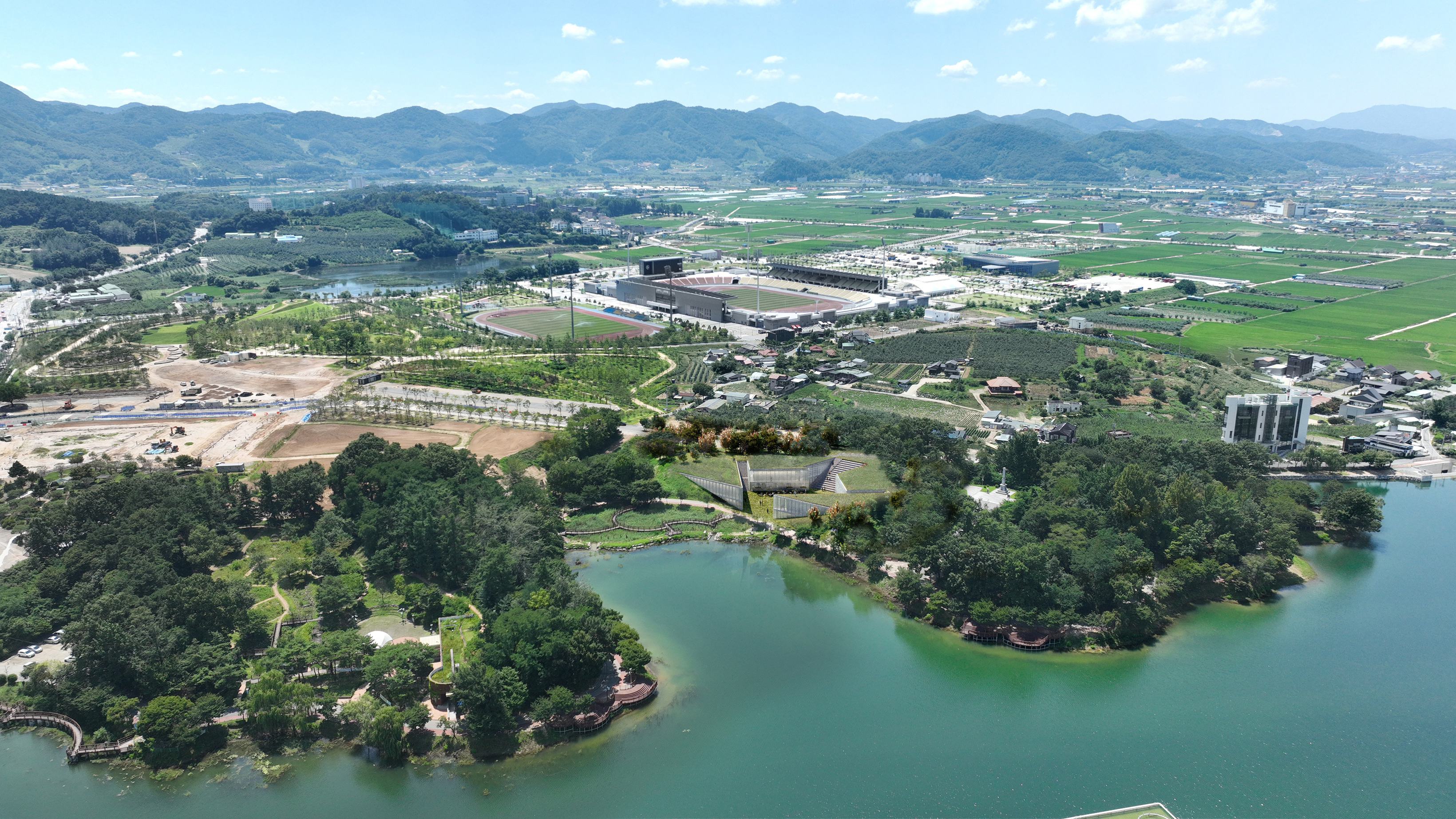
    The project does not simply sit on the site; it emerges from it. The design relies on the careful manipulation of the terrain to create a "new intentional topography."

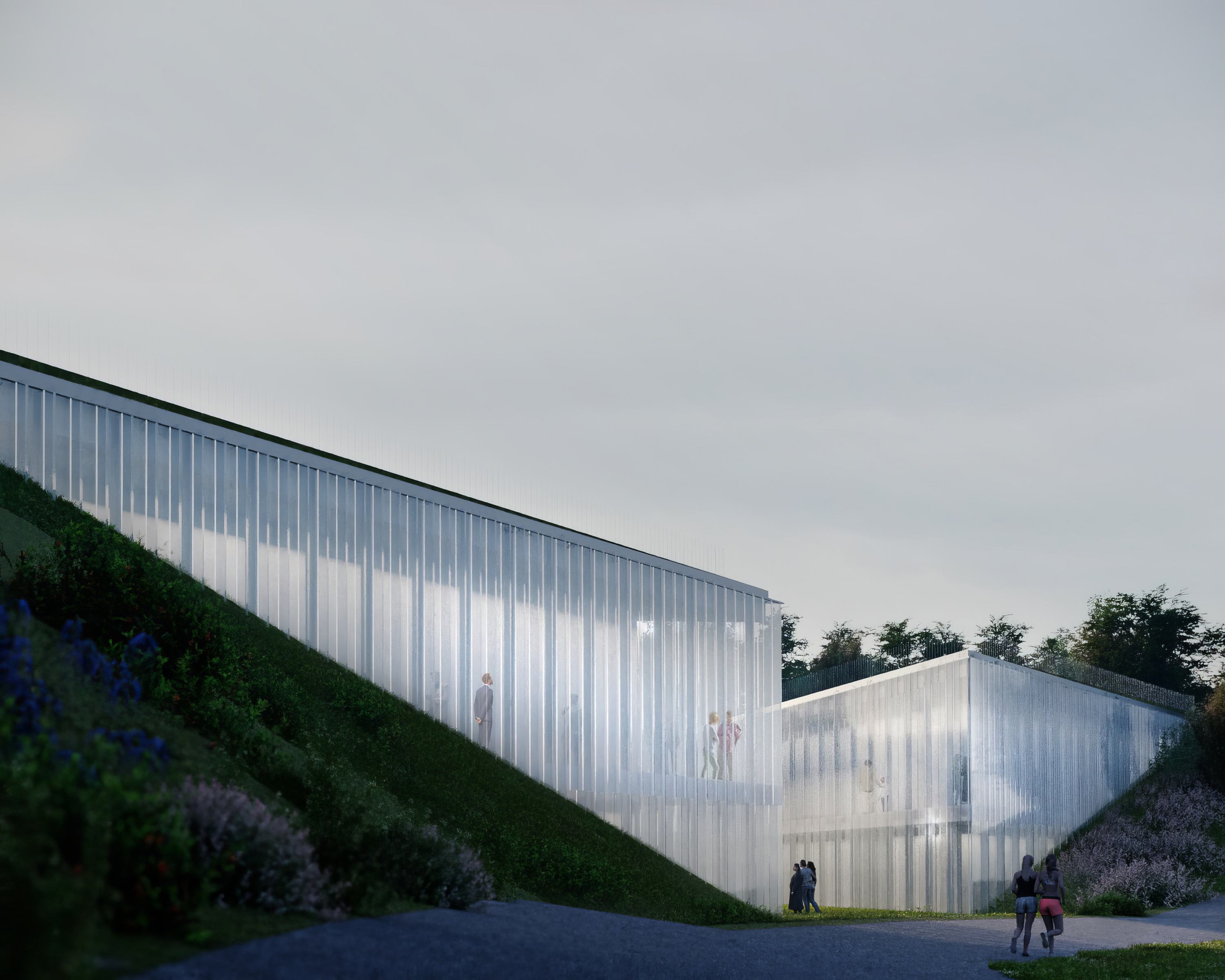
    • Embedded Architecture: The museum is embedded into the landscape, reducing its visual mass and allowing the rooflines to become extensions of the ground.

    • The Descent: The arrival experience is choreographed as a journey through nature. Visitors access the entry level a square/clearing and entrance courtyard—by descending from the surrounding heights. This transition is managed through a dual system:

    • Architectural stairs for a direct connection.

    • Existing accessible natural paths that wind through the greenery, allowing the visitor to decompress before entering the museum.

Chungju Museum Of Art International Invited Design…

    25.12.24 18:58

    Chungju Museum Of Art International Invited Design Competition


    A Place of Contemplation and Coexistence


    1. Design Philosophy: The Non-Protagonist

    The core philosophy of the new Chungju Museum of Art is defined by humility. In an era of architectural monuments that shout for attention, this proposal seeks silence.

    The building is conceived not as an intrusive object or a protagonist element, but as a framing device for the existing beauty of Chungju. It prioritizes the contemplation of its surroundings, serving as a lens through which the lake and the landscape are viewed anew. The architecture merges with existing values, creating a symbiotic relationship where the built environment and the natural environment coexist seamlessly.

    2. Site Strategy: Intentional Topography

    The project does not simply sit on the site; it emerges from it. The design relies on the careful manipulation of the terrain to create a "new intentional topography."

    • Embedded Architecture: The museum is embedded into the landscape, reducing its visual mass and allowing the rooflines to become extensions of the ground.

    • The Descent: The arrival experience is choreographed as a journey through nature. Visitors access the entry level a square/clearing and entrance courtyard—by descending from the surrounding heights. This transition is managed through a dual system:

    • Architectural stairs for a direct connection.

    • Existing accessible natural paths that wind through the greenery, allowing the visitor to decompress before entering the museum.